
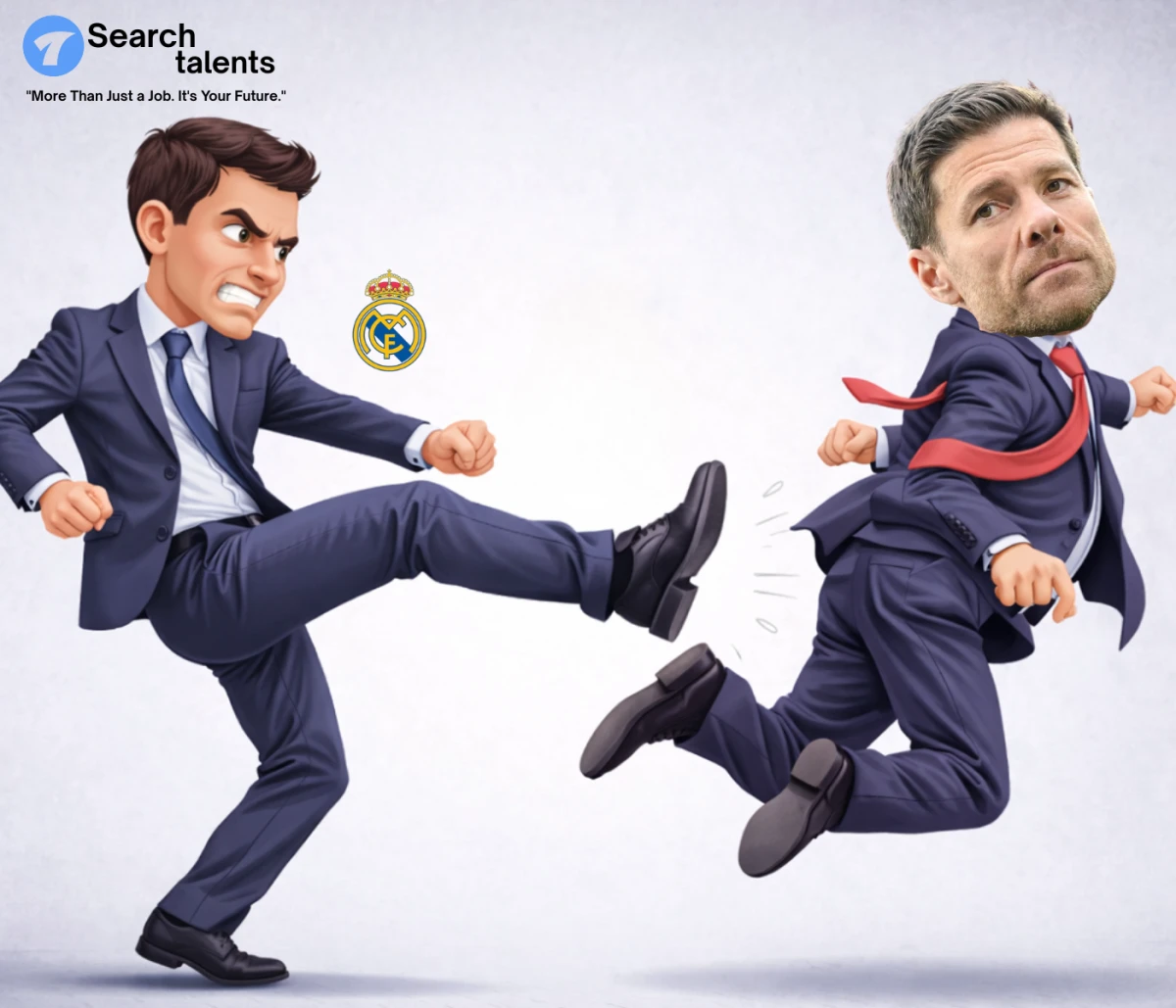

The High Expectations and Early Optimism
When Xabi Alonso was appointed, the football world expected a smooth transition to a more disciplined and structured approach at Real Madrid. With his deep understanding of the game, Alonso was seen as the perfect candidate to balance the creative freedom of star players like Vinícius Júnior and Kylian Mbappé with tactical discipline.
Early victories — including a crucial win over Barcelona — created hope that Alonso could bring long-term success to Madrid. However, as the season unfolded, cracks in Alonso’s leadership began to show. (reuters.com)
Egos and Personalities: A Manager's Greatest Challenge

Alonso’s inability to control the personalities and egos in the locker room proved to be his undoing. Senior players, accustomed to more freedom, resisted his systematic approach. As Jonah Berger points out in Contagious, “content doesn’t spread just because it’s good; it spreads because it resonates.” In Alonso’s case, his approach didn’t resonate with the personalities of his players, leading to frustration and a breakdown in team dynamics.
This scenario mirrors challenges faced by office managers in any business, where team cohesion is often undermined by competing individual interests. Just like Alonso, leaders in the workplace must find ways to build trust, engage employees effectively, and nurture a collaborative atmosphere. The lesson here: the role of a manager is not only about strategy but about understanding the people you lead. (theguardian.com)
Tactical Struggles and Their Fallout
In football, as in the corporate world, the best laid plans often fall apart when not properly executed or embraced by the team. Alonso's focus on tactical discipline and defensive solidity ran counter to the free-spirited style that some of his players thrived on. As a result, despite his tactical brilliance, Real Madrid suffered unexpected defeats, including a 3-2 loss to Barcelona in the Supercopa de España, which sealed Alonso’s fate.
For office managers, this is a critical takeaway: the best strategies are those that are adaptable to the team’s evolving needs and aligned with the team’s goals. Rigid approaches often lead to frustration and disarray, while flexible leadership allows for the personal growth of team members.
What Alonso Could Have Learned from Social Media Engagement Experts
If Alonso had embraced the principles found in social media engagement books, his approach might have been more relational and less about control. According to Ann Handley’s Everybody Writes, creating engagement is about building relationships and trust — a lesson Alonso might have applied better to his star-studded squad. In the world of football management, much like in digital marketing, engagement comes from trust and communication, not just instruction and authority.
Just as Gary Vaynerchuk advises in Jab, Jab, Jab, Right Hook, content (or leadership) needs to add value consistently before it can ask for anything back — in this case, teamwork and dedication. Alonso might have needed to put more focus on empowering players and adapting his strategy to tap into their individual talents, rather than imposing a rigid tactical framework. (planable.io)
The Aftermath: Real Madrid Moves On
Alonso’s departure, while swift, has led to the appointment of Álvaro Arbeloa, who now faces the difficult task of uniting the squad and rebuilding Real Madrid’s season. But as we see from Brendan Kane's Hook Point: How to Stand Out in a 3-Second World, first impressions matter — and Arbeloa has already failed to make an immediate impact with a devastating loss to Albacete in his first match.
Lessons for Office Managers: Building Engagement and Trust
The Real Madrid saga provides valuable lessons for any office manager navigating team dynamics:
Value-First Leadership: As Gary Vaynerchuk advocates in Jab, Jab, Jab, Right Hook, engagement and trust must come before any request. For office managers, this means building relationships with employees, recognizing their contributions, and creating an environment where they feel valued before asking for results.
Understanding Team Dynamics: Successful managers are those who can read their team's personalities, adapting their leadership style to suit the needs and preferences of different individuals. In the case of Alonso, his failure to recognize this led to friction and, ultimately, his departure.
Adaptability Over Rigidity: Like Alonso’s struggles to impose a single style of play, office managers must realize that every team is made up of unique personalities. Tailoring approaches to fit individual and team strengths will lead to better overall results and higher engagement.
Building Trust: As Ann Handley emphasizes in Everybody Writes, engagement is about building relationships and trust. Whether on the football field or in the workplace, people need to feel heard, respected, and empowered to succeed.
Fostering Team Unity: Real Madrid’s downfall was largely due to internal division. For office managers, creating a unified team that works toward a common goal is essential. By focusing on team collaboration over individual glory, managers can create a healthier, more productive work environment.
Conclusion: Real Madrid’s Lesson for All Leaders
Xabi Alonso’s short-lived tenure at Real Madrid is a reminder that effective leadership is not just about the strategies you implement but about how you engage and connect with your team. For office managers, whether in the corporate sector, education, or any other industry, the ability to adapt, understand personal dynamics, and foster collaboration is critical to long-term success.
As Álvaro Arbeloa steps in to lead Real Madrid, the focus will inevitably shift to rebuilding a cohesive and motivated team. Similarly, office managers must focus on nurturing a supportive environment, where trust and respect lead to greater productivity and harmony.