
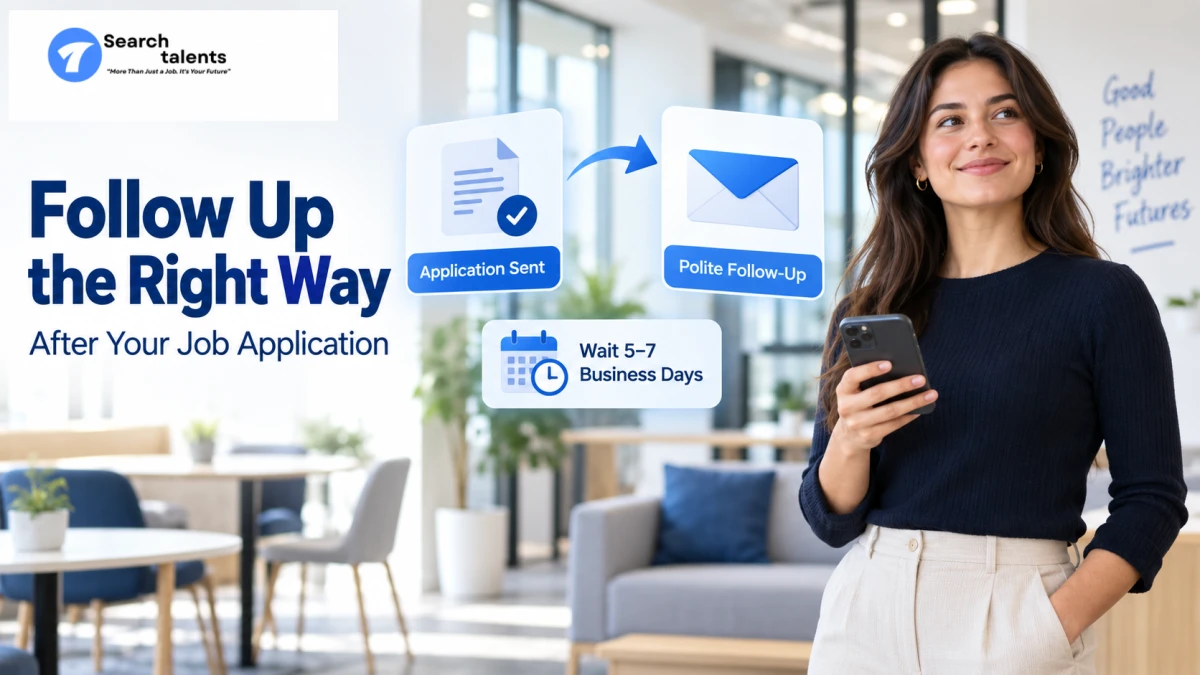
A thoughtful follow-up can show genuine interest. However, contacting an employer too quickly or too often may create the wrong impression. The goal is not to pressure anyone into making a decision. It is to politely confirm your interest and help the employer remember your application.
This guide explains when to follow up after a job application in Australia, what to say and which common mistakes to avoid.
Before contacting the employer, read the job advertisement again. Some advertisements provide a closing date, an expected recruitment timeline or a clear instruction not to contact the organisation. Following those directions demonstrates attention to detail.
If applications remain open, the employer may wait until the closing date before reviewing candidates. In that situation, following up while applications are still being accepted will probably not produce an update. Save a copy of the advertisement because it may disappear after the deadline.
Look for:
Use this information to choose the right time and person for your message.
In most situations, waiting approximately five to seven business days after applying is reasonable. If the advertisement includes a closing date, wait several business days after that date. Large organisations, government departments and universities may need longer because their recruitment processes often include formal shortlisting steps.
Avoid sending a message the day after applying. Recruiters may be managing several vacancies and hundreds of applications. A delayed response does not automatically mean rejection. Giving the team enough time to review applications shows patience and professional judgement.
If an employer has provided a timeline, follow it. For example, if candidates will be contacted within two weeks, wait until that period has passed before asking for an update.
The best contact is usually the recruiter, hiring manager or person named in the advertisement. If you applied through a recruitment agency, contact the consultant responsible for the role. Avoid messaging several employees from the same company because this can appear excessive.
When no contact person is listed, you may use the organisation’s recruitment email address or call its main office to ask who manages the vacancy. Do not send your application to random employees on LinkedIn. A targeted message to the appropriate person is more professional and more likely to receive a useful response.
Always include the job title and reference number so the recipient can quickly identify the position.
Email is generally the safest follow-up method. It gives the recipient time to check your application and respond when convenient. It also allows you to keep your message short, accurate and professional.
A phone call may be suitable when the advertisement provides a contact number or invites enquiries. Prepare what you want to say before calling. Introduce yourself, name the position and ask whether there is an update on the recruitment timeline. Keep the conversation brief unless the employer asks additional questions.
LinkedIn can be helpful when you already communicated with the recruiter there. However, avoid sending the same message through email, phone and LinkedIn on the same day. One appropriate channel is enough.
A clear email subject helps the recruiter understand your message immediately. It should identify the role without sounding urgent or demanding.
Suitable examples include:
Avoid subject lines such as “Urgent,” “Why Haven’t You Replied?” or “Please Respond Today.” These phrases can sound impatient and will not improve your chances.
Recruiters do not need another cover letter. A useful follow-up email can be one or two short paragraphs. State when you applied, confirm your continued interest and politely ask whether there is an update on the next stage.
You can briefly mention one relevant strength, especially if it clearly connects with the job. For example, a candidate applying for a retail supervisor role could mention recent experience leading a customer service team. Do not repeat your entire work history.
Your message should be easy to answer. A calm question about the timeline is better than asking the employer to explain why you have not been selected.
Subject: Follow-Up on Accounts Assistant Application
Hello Jordan,
I applied for the Accounts Assistant position on 4 September and wanted to confirm my continued interest in the opportunity. My experience with accounts payable and Xero closely matches the responsibilities described in the advertisement.
I understand that reviewing applications takes time. Could you please let me know whether there is an updated timeline for the next stage of recruitment?
Thank you for considering my application. I would be happy to provide any additional information.
Kind regards,
Priya Sharma
This example is respectful, direct and easy to personalise. It reminds the recruiter of the candidate’s relevant value without demanding an immediate decision.
Even a well-qualified applicant can create a poor impression through careless communication. Avoid:
Proofread names, job titles and company details. A message addressed to the wrong organisation suggests that you are sending the same email everywhere.
If you receive no response, you may send one final, polite message after another five to seven business days. After that, continue with other applications. Repeated contact is unlikely to change the decision and may damage a positive impression.
Keep a simple job application tracker containing the employer, role, application date, closing date, contact person and follow-up date. This prevents duplicate messages and helps you manage several opportunities without confusion.
Continuing your job search also protects your confidence. Do not pause every application while waiting for one employer. Until you receive and accept a formal offer, keep exploring suitable roles.
Following up after a job application is appropriate when it is timely, brief and respectful. Check the advertisement, wait a reasonable period, contact the right person and make your purpose clear. One thoughtful email can demonstrate communication skills and genuine interest without placing pressure on the employer.
Remember that silence is not always a judgement on your ability. Hiring delays can occur because of application volumes, internal approvals, staff availability or changing business needs. Send a professional follow-up, record the outcome and continue applying for roles that match your skills and goals.
The best follow-up does not ask, “Why haven’t I been hired?” It calmly communicates, “I remain interested, I understand your time is valuable, and I am ready for the next step.” That approach helps you stay visible while protecting your professional reputation.
1. UTS Careers – Following Up After a Job Application
Explains when jobseekers should send a follow-up email and how to move forward professionally when an employer does not respond.
https://careersblog.uts.edu.au/ghosted-by-a-job-why-it-happened-how-to-follow-up-and-how-to-move-on/
2. Upskilled Australia – How to Follow Up on a Job Application
Provides guidance on choosing the right time, contacting the hiring manager and keeping the follow-up message brief.
https://www.upskilled.edu.au/skillstalk/how-to-follow-up-on-a-job-application
3. Australian Public Service Commission – Cracking the Code
Explains Australian recruitment processes and how applicants can communicate with the nominated contact officer.
https://www.apsc.gov.au/working-aps/joining-aps/cracking-code
4. Workforce Australia – Write a Cover Letter
Provides advice on writing clear and professional communication that attracts an employer’s attention.
https://www.workforceaustralia.gov.au/individuals/coaching/careers/cover-letters
5. Queensland Health – Application Process
Explains what happens after submitting a job application, how candidates are contacted and when they can request feedback.
https://www.careers.health.qld.gov.au/how-to-apply/application-process
6. I Work for NSW – Graduate Program Application Process
Describes the different stages of recruitment and what applicants can expect after submitting their application.
https://iworkfor.nsw.gov.au/graduate-program-application-process
7. James Cook University – Post-Interview Guidance
Recommends keeping follow-up emails brief, professional and focused on continued interest in the job opportunity.
https://www.jcu.edu.au/careers-and-employability/career-ready-plan/post-interview
#JobApplication #JobApplicationFollowUp #JobSearchAustralia #AustralianJobs #JobSearchTips #CareerAdvice #CareerTips #Jobseekers #HiringProcess #RecruitmentTips #FollowUpEmail #EmploymentAustralia #FindAJob #CareerGrowth #SearchTalents