
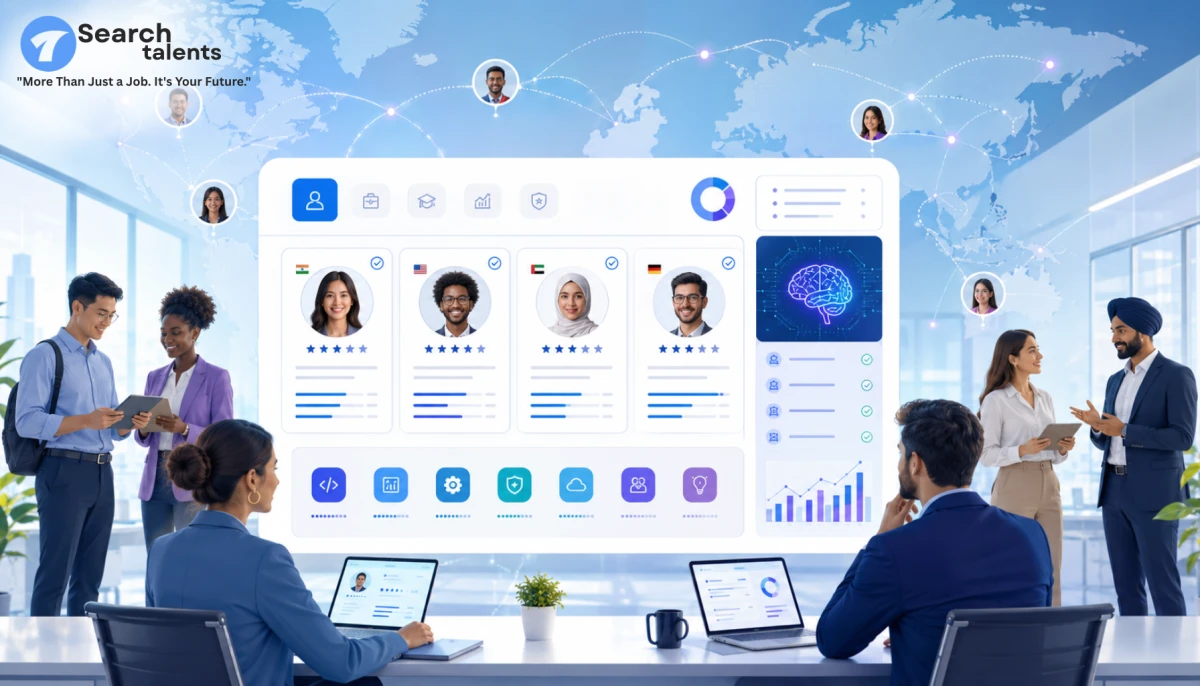
Multinational companies are fundamentally changing how they hire. Where big brands once focused almost entirely on degrees, years of experience, and prestigious company names, today the focus has shifted to skills, adaptability, digital confidence, and genuine job readiness.
This shift matters. Multinationals are still hiring — but they are becoming far more selective. Employers want people who can collaborate across teams, navigate technology confidently, solve real problems, and adjust quickly as business priorities evolve.
Global labour markets appear stable on the surface — the ILO projects worldwide unemployment at 4.9% in 2026 — yet employers continue to struggle to find the right people. ManpowerGroup's 2026 Talent Shortage Survey found that 72% of employers across 41 countries report difficulty filling roles. The gap is not about quantity. It is about fit.
Operating across different countries, cultures, time zones, and regulatory environments means multinationals need employees who are not just qualified on paper — they need to be flexible and practical in the real world.
Most large employers now use AI-powered screening tools, structured skill assessments, and competency-based interviews to make hiring faster and more accurate. The World Economic Forum's Future of Jobs Report identifies skills gaps as one of the most significant barriers to business transformation globally.
For candidates, the message is clear: a standard résumé is no longer sufficient. You need to demonstrate clear, specific value.
Multinational employers are not looking for the most qualified candidate — they are looking for the most capable one. The skills that consistently matter include communication, cross-cultural teamwork, problem-solving, digital literacy, data awareness, customer handling, and the ability to learn quickly and independently.
AI-related skills are increasingly becoming a differentiator. A 2026 hiring study involving 1,700 recruiters found that candidates with AI skills saw their interview invitation rates rise by 8 to 15 percentage points across selected roles. This does not mean every applicant needs to be a technical expert. Even a working familiarity with AI tools, CRM systems, spreadsheet software, and digital communication platforms can meaningfully strengthen a profile.
A degree still carries weight, but it is rarely the deciding factor. Multinational companies want evidence that a candidate can actually perform — not just that they studied a relevant subject.
Consider the difference between these two résumé lines:
The second version is specific, practical, and self-evidently useful. It shows — rather than claims — professional ability.
Working in a multinational company offers candidates something that is genuinely difficult to replicate elsewhere: structured exposure to global work culture, cross-functional learning, international collaboration, and career pathways with real upward mobility.
The experience you build in a multinational environment compounds over time. For both freshers and experienced professionals, it tends to produce a career profile that is stronger, more versatile, and more attractive to future employers.
That said, competition is intense. Thousands of candidates apply for the same roles. A generic application will not move forward.
The most effective candidates treat every application as a customisation exercise. They read the job description carefully, identify the skills and responsibilities that matter most to that particular employer, and shape their résumé accordingly.
A strong résumé is simple, specific, and results-oriented. Lead with outcomes wherever possible — projects delivered, problems solved, numbers improved. Keep your LinkedIn and other professional profiles current, because recruiters routinely check digital presence before shortlisting.
Recruiters hiring for multinational roles should shift their focus from filtering résumés to identifying real potential. Many exceptional candidates do not have perfect backgrounds — but they bring the right mindset, transferable skills, and hunger to grow. A hiring process that only rewards polish will consistently miss them.
Platforms like SearchTalents.co can support smarter hiring by helping employers reach relevant, job-ready candidates — and helping candidates improve their visibility in a crowded market.
Multinational companies are not just hiring more people. They are hiring smarter.
For job seekers: build skills, show proof, and apply with intention.
For recruiters: focus on real talent, not just impressive-looking résumés.
The future of multinational hiring belongs to candidates who are skilled, adaptable, digitally fluent, and genuinely ready to grow
#MultinationalCompanies #GlobalHiring #JobSearchTips #RecruitmentTrends #SkillBasedHiring #CareerGrowth #AIHiring #JobReadyTalent #SearchTalents #FutureOfWork