
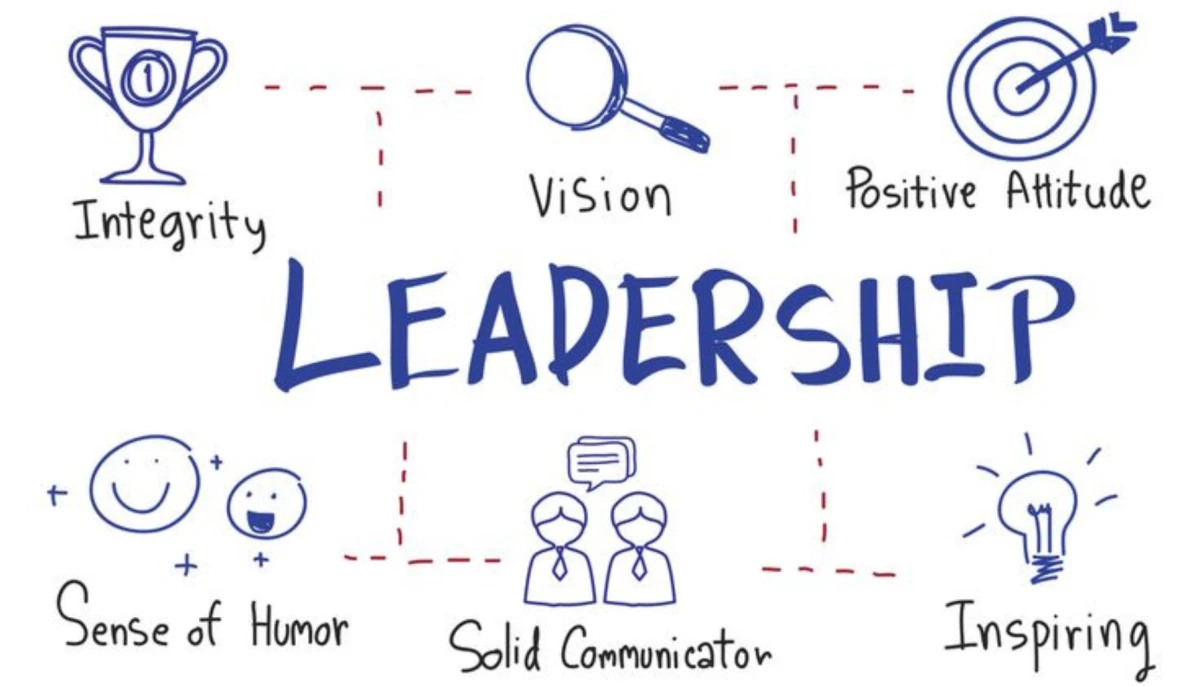

What Is Leadership? Definition, Types, Skills and Top Qualities of a Great Leader

What Is Leadership? Definition, Types, Skills and Top Qualities of a Great Leader - blog image

Leadership is the ability of an individual to use their influence, vision, and actions to inspire others — so that together they can achieve a common goal. It is not simply about being the "boss."

"Leadership is influence — nothing more, nothing less."

— John C. Maxwell


Transformational

Inspiring the team to achieve something bigger by sharing a bold, compelling vision.

e.g. Elon Musk, Steve Jobs
 

Servant

Putting the team first — their growth and wellbeing drive every decision.

e.g. Satya Nadella, Gandhi
 

Transactional

Direct link between performance and reward. Clear goals, clear expectations, clear outcomes.

e.g. Sales, manufacturing
 

Democratic

Team input shapes decisions. Boosts creativity, ownership, and engagement.

e.g. Creative industries
 

Autocratic

Fast, solo decisions. Effective in crisis situations but can hurt long-term morale.

e.g. Emergency situations
 

Laissez-Faire

Full autonomy given to the team. Ideal for highly skilled, self-motivated professionals.

e.g. Research, senior devs
1

Visionary thinking

Great leaders see the future while others focus on the present. They clearly articulate where the team is headed — and why it matters.

2

Integrity

They do what they say. Trust is a leader's greatest currency — and integrity is the only way to build it. No shortcuts.

3

Empathy

Understanding others' feelings and perspectives. Empathetic leaders create psychologically safe environments where people truly thrive.

4

Accountability

They own their mistakes. They don't assign blame — they find solutions. This attitude sets the culture for the entire team.

5

Resilience

Staying calm under pressure and uncertainty. They don't stay down after failure — they know how to rise again.

6

Decisiveness

Not all information will be perfect — yet timely decisions must still be made. Great leaders avoid analysis paralysis.

7

Humility

They learn from others, share credit, and never hoard the spotlight. Knowing they don't have all the answers — that's what makes them great.

Communication
Active listening
Conflict resolution
Delegation
Emotional intelligence
Strategic thinking
Coaching & mentoring
Adaptability
Time management
Data-driven decisions

Absolutely yes. Leadership is a learnable set of behaviors, not an innate trait. Warren Buffett once feared public speaking — today he is one of the world's most respected communicators.

Read great books — Start With Why, Leaders Eat Last
Take on stretch assignments
Find a mentor you admire
Ask for feedback and act on it

Ready for your next career move?

At SearchTalents, we connect professionals with employers who recognize and value leadership potential — from resume to offer letter.


Sources

#LeadershipDevelopment #FutureLeaders #CareerLeadership #LeadershipMindset #ProfessionalGrowth #WorkplaceSuccess #ModernLeadership #LeadershipJourney #PeopleManagement #CareerAcceleration #TeamLeadership #ExecutiveSkills #LeadershipMatters #EmergingLeaders #LeadershipTraining #CorporateLeadership #BusinessLeadership #LeadershipGoals #GrowthMindset #CareerSuccess2026 #SmartLeadership #ProfessionalSkills #LeadershipExcellence #LeadershipCoach #LeadershipInspiration #WorkplaceCulture #LeadershipCommunication #SuccessMindset #SearchTalents #CareerOpportunities

Frequently Asked Questions

Leadership is the ability to guide, inspire, and motivate people toward achieving a common goal through vision, communication, and action.

Strong leadership improves teamwork, productivity, employee motivation, communication, and overall business success.

Yes. Leadership is a skill that can be developed through learning, practice, experience, mentorship, and self-improvement.

Some of the most important qualities include integrity, empathy, accountability, resilience, decisiveness, humility, and visionary thinking.

Employers highly value communication, emotional intelligence, strategic thinking, adaptability, delegation, and problem-solving skills.

You can improve leadership skills by reading books, taking feedback seriously, practicing communication, managing projects, and learning from experienced mentors.

Common leadership styles include transformational, servant, transactional, democratic, autocratic, and laissez-faire leadership.

There is no single best style. Effective leaders adapt their leadership approach based on the team, goals, and situation.

Leadership skills help professionals stand out in interviews, earn promotions faster, build confidence, and increase long-term career opportunities.